
The Ultimate Guide to How to Find a Roof Leak (Before It Costs You a Fortune)
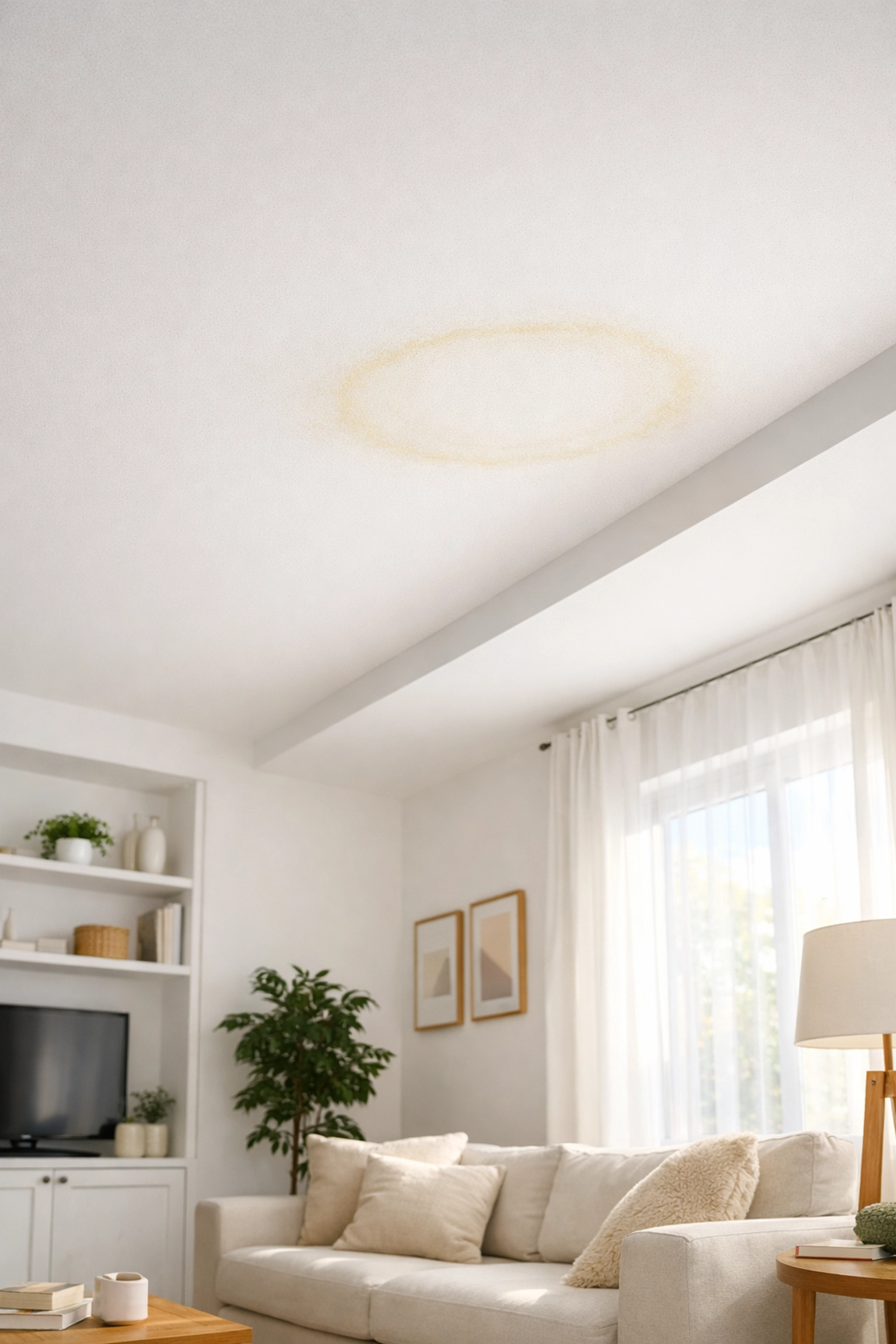
A tiny water stain on your ceiling might not look like much of a threat. In fact, many homeowners in Phoenix or Mesa might look at a small yellow ring and think, “I’ll get to that after monsoon season.” But at The Roofing Company Inc., we’ve seen how those “small” spots turn into major structural headaches and expensive mold remediation projects.
Learning how to find a roof leak early is one of the smartest things you can do for your wallet. Whether you are dealing with the blistering heat of a Scottsdale summer or the heavy snowmelt in Salt Lake City, your roof is your first line of defense. When that defense is breached, time is of the essence.
In this guide, we’re going to walk you through the practical steps to identify leaks in tile, shingle, and flat roofs. We’ll also show you when it’s time to call in the pros for a roof leak repair and how we use high-tech tools to pinpoint problems that the naked eye just can’t see.
Why Early Detection is Your Best Financial Move
It’s no wonder that most homeowners dread the word “leak.” It usually implies high costs and messy construction. However, the cost of a simple roof repair in Mesa AZ is significantly lower than a full roof replacement or major interior renovations.
When water enters your home, it doesn’t just sit there. It travels along rafters, soaks into insulation (destroying its R-value), and eventually rots the wooden deck of your roof. By the time you see a drip in your living room, the water may have already traveled ten feet from the actual entry point. Finding it early means you’re fixing a small hole rather than replacing a whole section of your home’s structure.
Start Inside: The Attic Safari
If you suspect a leak, the best place to start isn’t on the roof: it’s in the attic. Grab a high-powered flashlight and, if possible, wait for a rainy day or head up there right after a storm.
Look for “Shiners”
A “shiner” is a nail that missed the rafter when the roof was installed. During cold nights in places like Utah or even the cooler Arizona winters, moisture from inside the house condenses on these cold nails. You’ll see them white with frost or dripping water.
Follow the Water Trails
Water rarely moves in a straight line. Look for dark stains, damp insulation, or mold growth. Check the underside of the roof deck and follow any moisture upward. Often, the leak is located higher up the roof than where the puddle is forming.
Check the “Penetrations”
Most leaks don’t happen in the middle of a flat surface; they happen where something pokes through the roof. Check around:
- Chimneys
- Plumbing vents
- Skylights
- Attic fans
How to Find a Roof Leak on Different Roof Types
Every roofing material has its own “weak spots.” Depending on whether your home features the classic southwestern tile or standard asphalt shingles, your search will look a little different.
1. Tile Roofs (The Phoenix Standard)
Tile roofs are incredibly durable and perfect for our desert climate, but they aren’t invincible. The most common issue we see is when homeowners need to fix roof tiles that have cracked or slipped.
- Slipped Tiles: High winds can cause tiles to slide out of place, exposing the underlayment underneath. The underlayment is what actually keeps the water out; the tiles just protect the underlayment from the sun.
- Debris Build-up: Leaves and dirt can get trapped in the “valleys” of a tile roof, creating a dam. This forces water to back up and go under the tiles.
- Cracked Mud Sets: On older tile roofs, the mortar (mud) used to secure ridge tiles can crack, allowing water to seep into the peak of your home.
2. Shingle Roofs
Shingle roofs are common in our Utah service areas and newer Arizona developments. They are easier to inspect but can hide damage well.
- Granule Loss: If you see what looks like dark sand in your gutters, your shingles are losing their protective coating. This makes them brittle and prone to cracking.
- Curling Edges: If the corners of your shingles are turning upward, they are no longer shedding water properly.
- Popped Nails: Sometimes a nail will work its way up, pushing the shingle above it into a small “tent” shape. This is a prime entry point for water.
3. Flat Roofs
Flat roofs are common for commercial buildings and modern residential designs. Because they don’t have a steep slope, water can “pond.”
- Ponding Water: If water sits on your roof for more than 48 hours after a rain, you have a problem. This weight stresses the structure and eventually finds a way through the membrane.
- Blistering: If you see bubbles in the roof surface, it usually means moisture is trapped underneath. When the sun hits it, that moisture turns to steam and expands.
- Flashing Failure: The edges where the flat roof meets a wall are notorious for leaking. If the sealant is cracked, it’s time for flat roof repair.

The “Hose Test”: A Pro Tip for Homeowners
If you can’t find the leak visually, you can try the hose test. You’ll need two people for this: one on the roof with a garden hose and one inside the attic with a flashlight.
Start low. Run the hose over a small area just above where you think the leak is. Don’t spray the whole roof at once: you won’t be able to pinpoint the exact spot. Have the person inside alert you the moment they see a drop. This process requires patience. It can take 15–20 minutes for water to soak through the layers and show up inside.
Safety Warning: Never walk on a wet roof, and if you have a steep pitch or a tile roof that can be easily broken, it is much safer to call a Phoenix roofing company to handle the inspection.
When the Naked Eye Isn’t Enough: Professional Detection
Sometimes, a leak is a “ghost.” It shows up during one storm but stays dry during the next. This is when we bring out the heavy hitters. We use several specialized methods to ensure we find the source the first time.
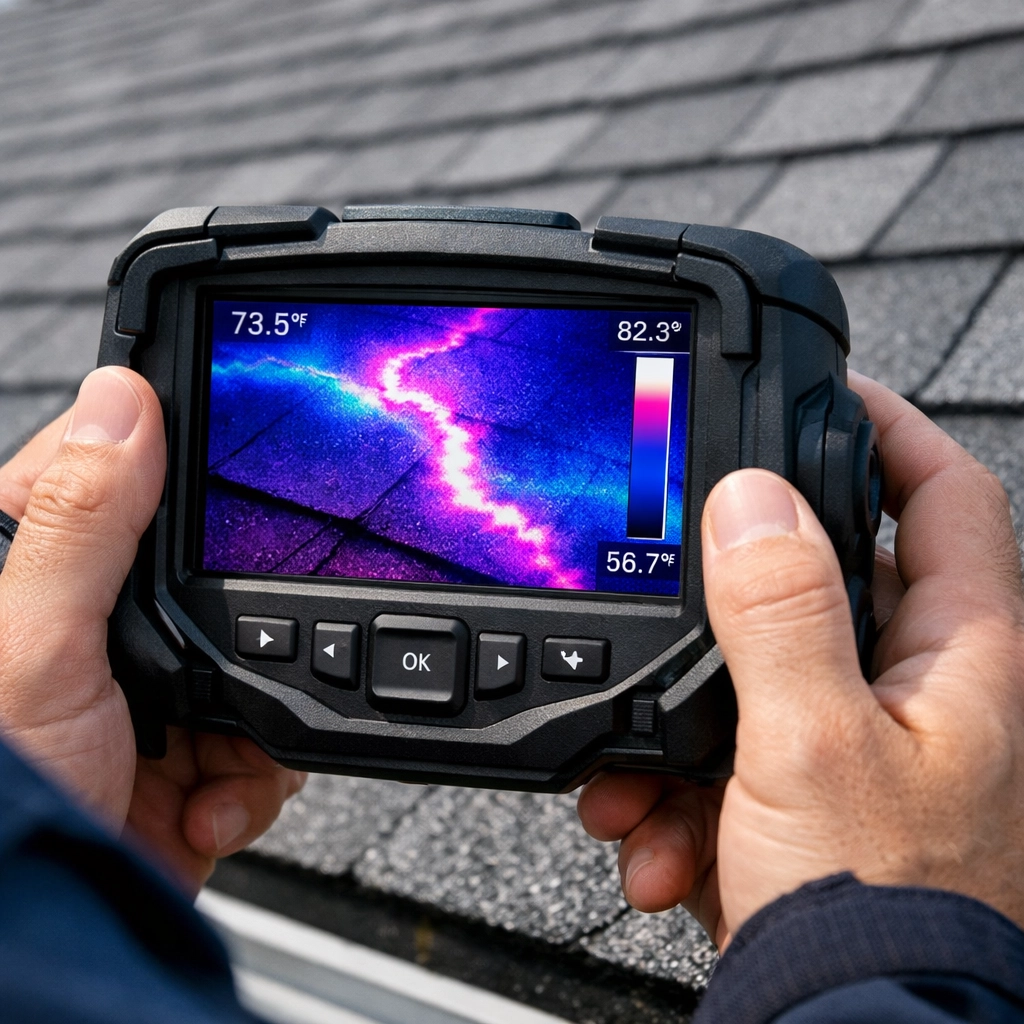
Thermal Imaging
We use infrared cameras to see temperature variations. Water-saturated insulation holds heat differently than dry material. Even if the surface looks fine, a thermal scan can reveal a hidden reservoir of moisture trapped beneath your roof’s surface. This is non-invasive and incredibly accurate.
Electronic Leak Detection (ELD)
For flat roofs or buildings with waterproofing membranes, we can use ELD. This method uses electrical currents to find even the tiniest pinhole leaks that are invisible to the human eye. It’s the gold standard for preventing major water damage in commercial settings.
Trace Gas Detection
In very difficult cases, we can pump a non-toxic gas under the roof membrane. We then use “sniffers” to see where the gas escapes. Wherever the gas gets out, water can get in.
Don’t Let “Storm Chasers” Pressure You
After a big storm in places like Gilbert or Chandler, you’ll often see out-of-state contractors knocking on doors. We always advise our neighbors to be cautious. A “free roof” isn’t free if the company isn’t around to honor the warranty two years later when it starts leaking again.
At The Roofing Company Inc., we pride ourselves on providing honest estimates. We’ve been part of this community for over 40 years. If your roof only needs a minor tile repair in Gilbert, that’s exactly what we’ll tell you. We aren’t here to sell you a new roof if yours still has five good years left in it.
Your Action Plan for a Leak-Free Home
- Check your ceilings: Look for yellowing, bubbling paint, or “sweating” walls.
- Inspect after storms: Do a quick walk-around of your yard to look for fallen shingles or broken tiles.
- Clean your gutters: Blocked gutters force water back up under your roof’s edge. If you need help with this, consider our gutter installation services.
- Schedule an inspection: Especially if your roof is over 15 years old. A professional roof inspection in Mesa can catch issues before they manifest as leaks.
We’re Here to Help
Whether you are in Surprise, Scottsdale, or Apache Junction, we understand the local challenges. Our desert sun is brutal on roofing materials, causing them to expand, contract, and eventually fail.
If you’ve tried to find that pesky leak and are coming up empty, or if you’ve seen the damage and know you need a roof leak repair in Phoenix AZ, give us a call. We’ll send out an experienced team member to give you a clear, honest assessment and a plan to get your home dry and secure again.
Your home is your biggest investment. Don’t let a small drip cost you a fortune. Contact The Roofing Company Inc. today for an estimate you can trust. We’ve been keeping our neighbors covered since 1982, and we’d be honored to do the same for you.